Case 4: Strawberry Post-Harvest Pre-Cooling & Pathogen Control
How mandatory forced-air hydro-cooling within 60 minutes dropped core berry heat to 34F, slashing commercial decay from 12.4% to 0.8%.
Agronomic & Operational Challenge
Central Coast & Valley Berry Shippers in Madera, CA experienced an unacceptable 12.4% arrival decay rate during cross-country refrigerated transport of fresh strawberries.
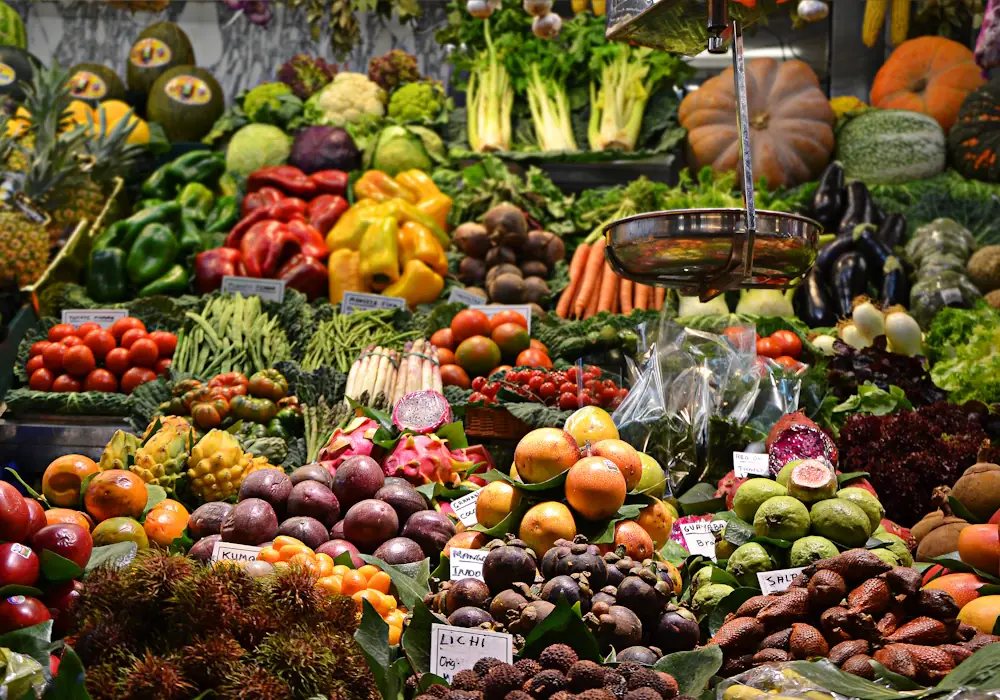
High afternoon picking temperatures (88°F field heat) accelerated fruit respiration and encouraged Botrytis cinerea gray mold development inside clamshell containers.
Technical Intervention & Methodology
Ashford Valley food scientists established an on-site differential pressure hydro-cooling protocol, drawing cold air and chilled water sanitizers through stacked pallet pallets.
Internal berry pulp temperatures were monitored with digital probe data-loggers, and contact surfaces were audited using Hygiena ATP bioluminescence swabs.
Quantified Commercial Outcome
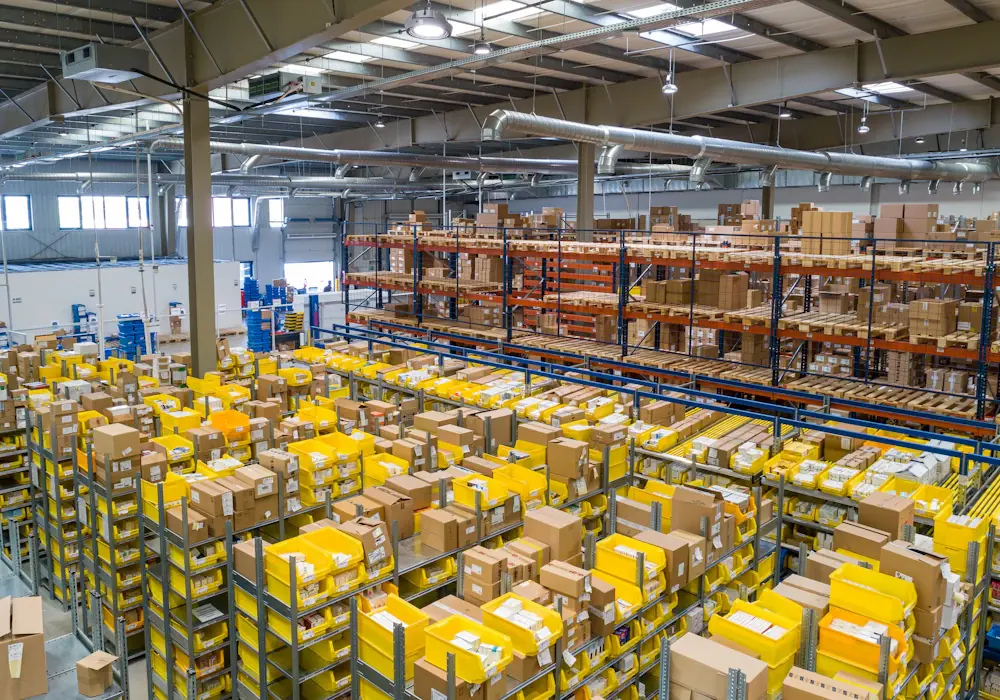
Hydro-cooling drove core berry pulp temperatures from 88°F to 34°F in exactly 54 minutes, halting fungal spore germination.
Transit arrival decay plummeted from 12.4% to 0.8%, preserving $115,000 in retail gross margin while achieving perfect FDA Food Safety Modernization Act (FSMA) compliance.
Download Authoritative Field Dataset
Log tracks 150 harvest pallets: harvest timestamps, ambient temperatures, hydro-cooler dwell times, pulp temps, and post-shipment decay ratings.